+62 859-3135-3197


Does Obesity Exacerbate GERD? This Is Why Gastric Bypass Is Often Chosen
30 May 2026
4 min read


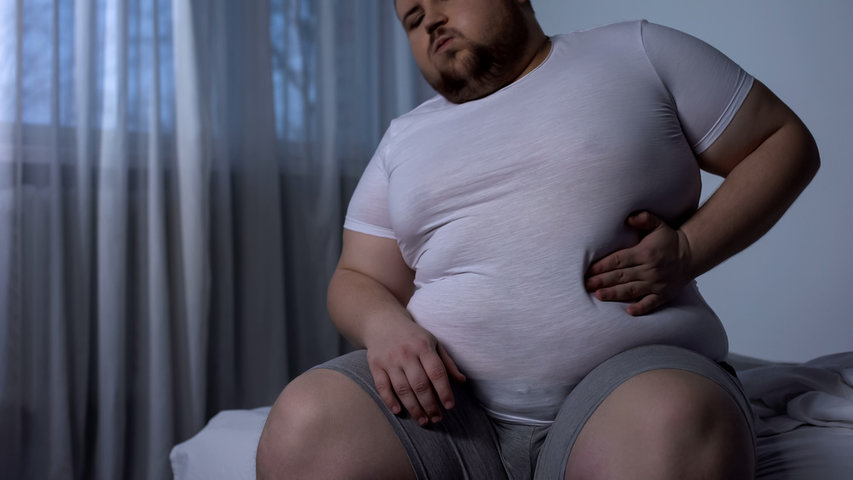
GERD and obesity are a "pair" that often go hand in hand. The problem is, when you've been on a strict diet and taking acid reflux medication for years but heartburn persists every night, it means conventional treatments are no longer sufficient.
This is where bariatric surgery comes in as an option. But not all bariatric surgeries have the same effect on GERD. In fact, for severe GERD, doctors often choose gastric bypass over sleeve gastrectomy. Why? Here's a complete explanation.
GERD & Obesity: A Vicious Cycle That Exacerbates Each Other
Many obese patients present with three main complaints: heartburn, a burning sensation in the chest/heartburn, and acid reflux during sleep.
The cause is simple but has a significant impact: Excess abdominal fat increases intra-abdominal pressure. This pressure pushes stomach contents, including acid, up into the esophagus. The more weight you gain, the stronger the push. Therefore, GERD symptoms worsen with weight gain.
In this condition, obesity is no longer just a "trigger." Obesity has become a major cause of persistent GERD that is difficult to cure with medication alone.
The Critical Point: When Diet & GERD Medication Are No Longer Enough
Most patients have tried the two standard steps: changing their diet and taking PPIs/antacids for years. But if symptoms persist, there are two possibilities:
- Permanent damage to the lower esophageal valve (LES).
- Excessive pressure in the stomach due to obesity.
If you're still asking yourself, "I've been taking medication for a long time, but why isn't my GERD improving?", then bariatric surgery is definitely worth considering. The goal of surgery isn't just to lose weight, but to break the chronic cycle of GERD.
Sleeve Gastrectomy vs. Gastric Bypass: Why Are the Results Different for GERD?
Here's the key difference. The two most popular bariatric surgeries have opposite effects on acid reflux:
Sleeve Gastrectomy
The stomach is cut 70-80% into a tube/sleeve. Reduced size = reduced meal size = weight loss.
The problem for GERD: The stomach, which acts like a narrow tube, is rigid and under high pressure. This high pressure actually pushes acid upward more strongly. Therefore, in patients who already have severe GERD before surgery, the sleeve risks worsening reflux even if weight loss is achieved.
Roux-en-Y Gastric Bypass
The doctor creates a 30ml "small gastric pouch" from the upper part of the stomach. This pouch is then connected directly to the small intestine, bypassing most of the stomach and duodenum.
Why is bypass surgery good for GERD?
- Redirecting acid flow: Food and stomach acid no longer pass through the esophagus. Acid is "removed" from the esophagus.
- Drastically reduced acid production: The small pouch produces much less acid than an intact stomach.
- Repairing esophageal ulcers: With reduced reflux, ulcers/esophagitis have time to heal.
That's why gastric bypass has been shown to reduce reflux frequency and reduce long-term medication dependence in patients with severe GERD and obesity.
Evidence in the Field: "Sleep Without Stomach Acid"
Post-bypass patient stories are often similar: "The first time I could sleep soundly without a high pillow." Many patients report a reduction in heartburn even before significant weight loss. This means that GERD improvement occurs more quickly due to anatomical changes, not just weight loss.
The question "I haven't lost much weight, but GERD has improved?" is: Yes, it's very possible after gastric bypass.
Important: Not All GERD Patients Need a Bypass
Although bypass is superior for severe GERD, the decision remains individual. Doctors will not immediately recommend a bypass for all GERD patients.
Pre-operative evaluations are required:
- Endoskopi: Lihat kondisi kerongkongan, ada luka/Barrett atau tidak
- Manometri: Cek kekuatan otot katup kerongkongan bawah
- pH Monitoring 24 jam: Ukur seberapa sering asam naik
- Pola makan & riwayat obat: Apakah sudah optimal tapi gagal
For patients with GERD without obesity, the doctor may choose fundoplication or LINX. For GERD and obesity with a BMI >35, gastric bypass is usually the primary option.
When Should You Consult a Bariatric Doctor?
See a digestive surgeon immediately if you:
- Taking GERD medication regularly for more than 6 months but symptoms still interfere with sleep
- Complications: difficulty swallowing, vomiting blood, unexplained weight loss
- BMI >35 with GERD, or BMI >30 with diabetes + GERD
- Fear of lifelong medication dependence
FAQ
Does sleeve gastrectomy make GERD worse?
In patients who already have severe GERD before surgery, the risk is higher. However, in patients without a history of GERD, sleeve surgery is still safe. Therefore, GERD screening is mandatory before sleeve surgery.
How long does it take for GERD to improve after gastric bypass?
Many patients experience improvement within 2-4 weeks after surgery, long before their weight loss goal is reached.
After bypass surgery, do you still need GERD medication?
Most patients can stop taking it completely. However, a small number still require low-dose medication depending on their initial esophageal condition.
Is bariatric surgery dangerous for GERD?
All surgery has risks. However, for severe GERD and obesity, the risks of not having surgery are greater: esophageal cancer, Barrett's esophagus, and bleeding.
Contact us
For information and to make an appointment

| Loading data... |
|---|