+62 859-3135-3197


Why Ulcerative Colitis is not the same as hemorrhoids
29 June 2026
3 min read



Many people immediately assume that all blood in the toilet is hemorrhoids. In fact, ulcerative colitis can also cause blood to come from the intestines. Hemorrhoids are indeed a cause of frequent bloody stools. But don't be too quick to blame hemorrhoids! There are other diseases with similar symptoms, even more dangerous ones. Misdiagnosis = mistreatment.
How Hemorrhoids Occur
Hemorrhoids occur when the blood vessels around the anus swell. When hard stool passes, these swollen vessels can rupture and bleed.
The characteristic: the blood is usually bright red and drips. It comes out after a bowel movement is complete. The problem is located in the anus, the very end of the digestive tract.
Hemorrhoids usually come and go depending on lifestyle. Excessive straining, prolonged sitting, or a lack of fiber can trigger relapses. But with a healthy lifestyle, hemorrhoids can improve and not always recur.
How Ulcerative Colitis Occurs
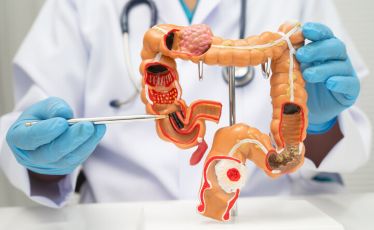
Ulcerative colitis is a chronic inflammation of the large intestine. It's not a problem in the anus, but in the inner lining of the large intestine.
This inflammation causes sores in the intestinal lining. These sores are called ulcers. These wounds then ooze blood and mucus. Because they are located deep inside, the blood mixes with feces and mucus as it exits.
Intestinal wounds are different from hemorrhoids in the anus. This is a problem with the wall of the large intestine itself, not the blood vessels around the anus.
Differences in Blood Source Location: Key to Diagnosis
This is the most important difference. Different locations = different diseases.
Hemorrhoids: The blood originates from the anus. Therefore, the blood comes out separately, bright red, and often drips at the end of a bowel movement.
Ulcerative Colitis: The blood originates from the inner colon. Therefore, the blood is mixed with feces and mucus. The color can be dark red or mixed red.
The location of the bleeding is important for diagnosis. Doctors need to know the source of the blood to determine the exact cause.
Other Symptoms of Ulcerative Colitis
Besides bloody stools, ulcerative colitis has other symptoms that are rare in regular hemorrhoids.
Other symptoms that may appear include abdominal cramps, chronic diarrhea more than four times a day, unexplained weight loss, and extreme fatigue.
If bloody stools are accompanied by these other symptoms, don't take them lightly. This combination of symptoms is more suggestive of intestinal inflammation like ulcerative colitis, not just hemorrhoids.
Different Disease Characteristics
Hemorrhoids and ulcerative colitis have very different characteristics.
Hemorrhoids: usually come and go due to lifestyle. If you improve your diet and avoid straining, hemorrhoids can heal completely. This is a temporary condition.
Ulcerative Colitis: a chronic autoimmune disease with relapses and remissions. There are periods of active symptoms, then periods of calm. However, the disease never disappears completely. Ulcerative colitis is not just a temporary disorder, but a long-term condition that requires regular treatment.
From the previous explanation, it's clear that bloody stools don't automatically indicate hemorrhoids.
Note three things:
- Blood color
- Is there mucus?
- Are there other symptoms such as abdominal cramps or chronic diarrhea?
If you're still unsure, the only sure way is to see a doctor. A doctor can differentiate hemorrhoids from ulcerative colitis through a physical examination and colonoscopy.
Early detection allows for more appropriate treatment and a safer colon.
Contact us
For information and make an appointment

| Loading data... |
|---|