+62 859-3135-3197


Why Bloody Stools Can Occur Repeatedly Over Years
28 June 2026
3 min read


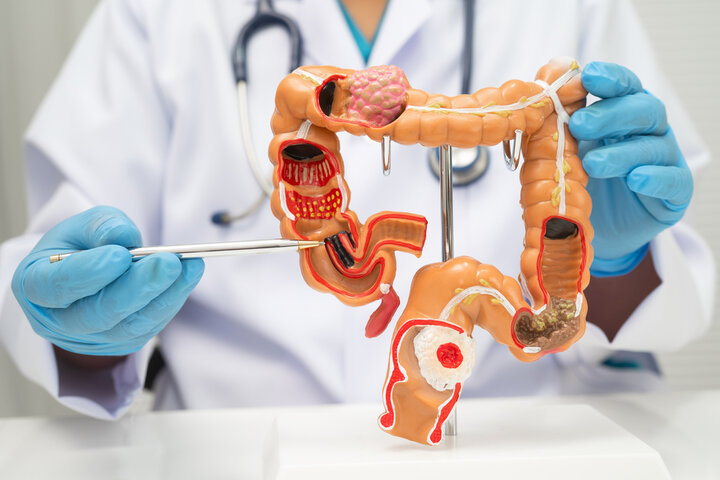
Seeing blood in your stool can be panic-inducing. Many people's first reflex is: it must be hemorrhoids. However, there is a bowel disease that can cause recurring blood to appear over years. It's called ulcerative colitis.
Don't underestimate blood in your stool. Even small wounds in your colon can be serious. If left untreated, the risk of complications worsens over time.
A Constantly Inflamed Intestine
In ulcerative colitis, the body's immune system mistakenly attacks the lining of the colon. This attack causes chronic inflammation. Chronic inflammation makes the intestinal wall fragile, easily injured, and often bleeding. A healthy intestine becomes continuously injured. Imagine the intestine like a water pipe. If the pipe wall is continually eroded, it will eventually leak. The same is true for an inflamed intestine.
A Wound That Never Heals Completely
Wounds in the intestine often reopen due to inflammation. When stool passes through, the wound ruptures and bleeds again.
The analogy is like a wound on the skin that is constantly being scratched every day. Every time it tries to heal, it gets rubbed again. Therefore, healing is difficult and the blood continues to flow. These small sores are called ulcerations. Although they are small, they can be numerous and spread throughout the colon. This is why the bleeding doesn't stop.
It Comes and Goes Like a Roller Coaster
Ulcerative colitis has a characteristic pattern. There are remission phases when the inflammation is dormant and the sores are healing. During remission, bowel movements are normal, bloodless, and the patient feels healthy. There are also flare-ups or relapses when the inflammation reactivates. New sores appear and blood appears in the stool again. Symptoms of diarrhea, abdominal pain, and weakness return.
This cycle of coming and going makes the patient physically and mentally exhausted. The disease is like a roller coaster. Today it's fine, tomorrow it could flare up again.
A Fragile Intestine Bleeding Easily
Chronic inflammation makes the colon wall thin and fragile. The protective layer thins, leaving the small blood vessels underneath unprotected. This condition makes the intestines extremely sensitive. Normal pressure from even soft stools is enough to rupture blood vessels.
This is why bloody stools can occur even when the stool is not hard. Inflammation makes the intestines very fragile. Even the slightest friction is enough to cause the sores to bleed.
Why Blood Mixes with Stool
The location of the wound determines the characteristics of the blood that comes out. Because the ulceration is in the large intestine, blood comes out long before it reaches the anus. As it moves towards the anus, the blood mixes with feces and mucus. Mucus is produced by the intestines to protect the open wound.
As a result, the stool can be mixed red, dark red, or like red mucus. This characteristic differs from hemorrhoids, where the blood is bright red and comes out after a bowel movement is completed.
Triggered by Many Things: Relapses Can Be Caused by Small Things
Ulcerative colitis can relapse due to various triggers. Severe stress, certain diets, or infections can trigger flares. Seemingly minor triggers can become major problems. Once the inflammation is active, the wounds in the intestines reopen, resulting in recurring bleeding.
Therefore, colitis patients must maintain a healthy lifestyle, avoid personal triggers, and have regular check-ups with their doctor. Consistent medication is key to remaining in remission.
Risks Increase Over Time
Recurrent bleeding is not only a daily inconvenience. In the long term, chronic inflammation can increase the risk of serious complications, including colon cancer. The longer it's left untreated, the more dangerous it becomes. Another common complication is chronic anemia. Continuous blood loss can lead to iron and red blood cell deficiencies.
Don't Delay Getting a Checkup
If bloody stools occur repeatedly, don't wait. An examination such as a colonoscopy can determine the cause and determine the appropriate treatment.
Through a colonoscopy, a doctor can directly examine the condition of the colon. Any injuries, inflammation, or polyps will be clearly visible. The doctor can also take tissue samples for biopsy. Based on these results, the doctor can determine the most appropriate medication. Anti-inflammatory drugs, immunosuppressants, or biologics can be prescribed depending on the severity.
Love Your Gut Starting Now
Your gut works 24/7 to digest your food. But it's often overlooked until bleeding occurs. Love your gut with simple steps. Pay attention to every bowel movement, note any blood or mucus, maintain a healthy diet, manage stress, and get enough rest.
If you or someone close to you experiences repeated bloody bowel movements, blood mixed with mucus, diarrhea more than four times a day, crampy abdominal pain, or unexplained weight loss, immediately make an appointment with a digestive surgeon.
Contact us
For information and make an appointment

| Loading data... |
|---|