+62 859-3135-3197


Bloody Stools Are Not Unusual: Beware of Intestinal Injuries
29 May 2026
3 min read


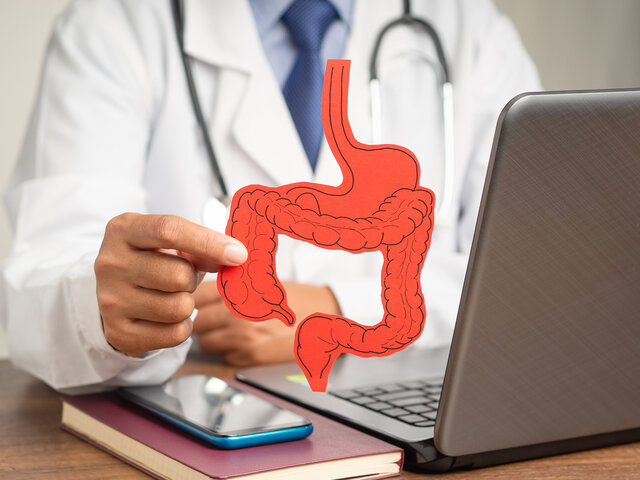
Seeing blood in your stool can be worrying. Many people immediately conclude, "It must be hemorrhoids." However, don't underestimate blood in your stool. Small wounds in your colon can also be serious. One cause is ulcerative colitis, a chronic inflammation of the lining of the colon and rectum. If left untreated, this condition can disrupt your activities and reduce your quality of life.
Why Small Intestinal Wounds Can Cause Bloody Stools
Many people assume that blood in your stool only comes from hemorrhoids. However, this isn't always the case. In ulcerative colitis, the body's immune system mistakenly attacks the lining of your colon. This attack creates small open sores called ulcerations. These sores are located inside the intestine.
Although small, they can be numerous and widespread. Each time stool passes, the sores rub and reopen, resulting in blood leaking out and mixing with the stool. So, even a small wound can have a big impact on your bowel movements.
The Intestine Is Like Your Inner Skin
To make it easier to visualize, think of your intestines as your skin. Imagine your skin being scraped from a fall. If that scrape is continually rubbed by clothing, exposed to water, or touched, it will be painful and prone to bleeding again. Healing will also take a long time.
The intestines are the same. The inflamed intestinal wall is like abraded skin. Every time stool passes through, the wound in the intestine is rubbed. This is why bloody stools can occur repeatedly. Simply put, if skin can bleed from a wound, so can the intestines.
What Is an Ulceration?
In medical terms, the wound in ulcerative colitis is called an ulceration. An ulceration is an open sore on the inner lining of the large intestine. The characteristic of an ulceration is that the surface of the intestine becomes red, swollen, and bleeds easily when touched. These sores may also ooze mucus or pus.
Ulcerations can appear as numerous small dots or large, coalescing sores. This is the main source of blood and mucus that comes out with the stool in people with ulcerative colitis.
Why the Intestinal Wall Becomes So Fragile
Chronic inflammation changes the condition of the colon wall. Its protective layer becomes thinner. The small blood vessels beneath the intestinal lining are not properly protected.
This condition makes the colon extremely fragile. As a result, even normal pressure from stool is enough to rupture these small blood vessels. Therefore, bloody stools can occur even if the stool is soft or not hard. Inflammation makes the colon extremely fragile and sensitive.
Why Blood Mixes with Stool and Mucus
This is one of the important differences between ulcerative colitis and hemorrhoids. Because the source of the injury is in the colon, blood is released long before it reaches the anus. As it moves towards the anus, the blood mixes with stool and the mucus the colon produces to protect itself.
As a result, the stool can be mixed red, dark red, or have a red mucus-like color. The location of the wound greatly determines the appearance of the blood. The deeper the wound, the more the blood will mix with the stool.
Sores Can Come and Go
Ulcerative colitis is a lifelong, chronic disease. Its symptoms don't settle down, but fluctuate like a roller coaster.
There's a remission phase, when inflammation subsides and the ulcers in the intestine heal. During remission, bowel movements return to normal and blood-free. Patients feel healthy as usual.
There's also a flare phase. During a flare, inflammation reactivates and new ulcers appear in the intestine. Symptoms of bloody stools, diarrhea, and abdominal pain return.
Therefore, bloody stools in ulcerative colitis aren't a one-time occurrence and then go away. It's a disease that often recurs and requires regular treatment to maintain the remission phase.
Take Care of Your Intestines, Don't Ignore Bloody Stools
This is important to remember. Many patients delay seeing a doctor when they're already in a serious condition. The reasons range from embarrassment, fear of being diagnosed with a serious illness, to thinking it will heal on its own.
However, early detection is far safer than late. The sooner the cause of bloody stools is identified, the easier the treatment. If the ulcers are still small, oral medication is usually sufficient. If the infection is extensive, treatment can be more complex.
Take care of your bowels by paying attention to each bowel movement. Check for blood or mucus. Note the frequency of bowel movements and any complaints of abdominal pain. Don't immediately conclude it's hemorrhoids without medical evidence.
When to See a Doctor Immediately
You should consult an internist or gastroenterologist if you experience any of the following symptoms.
- Frequent bloody stools, not just once or twice, but repeatedly within a week.
- Blood mixed with mucus, as this combination is typical of intestinal inflammation.
- Accompanied by diarrhea lasting more than two weeks with a bowel movement frequency of more than four times a day.
- Accompanying symptoms include cramping abdominal pain, bloating, unexplained weight loss, fever, or weakness.
The doctor will usually perform an initial examination, followed by a colonoscopy to directly examine the condition of the intestine and take a tissue sample or biopsy. This examination is important for confirming the diagnosis.
Differences with Hemorrhoids
Bloody stools are often mistaken for hemorrhoids, but they are different. Intestinal bleeding is not always hemorrhoids.
Hemorrhoids occur when the veins around the anus swell. The blood is usually bright red and fresh. The blood comes out in drops or squirts after a bowel movement. Other symptoms usually include a lump in the anus and itching.
In ulcerative colitis, the blood originates from a wound or ulceration in the large intestine. The blood is red mixed with stool and mucus. It is released from the beginning of a bowel movement. Other symptoms include intermittent abdominal cramps, bloating, diarrhea, weight loss, and weakness due to anemia.
Because the symptoms differ, the treatment is also different. Therefore, a doctor's diagnosis is crucial.
Risks If Bloody Defecation Is Left Behind
Taking bloody stools lightly and delaying going to the doctor can have serious consequences.
- The most common major complication is chronic anemia.
- Another, more serious complication is perforation, or a hole in the intestinal wall.
- Toxic megacolon, a dangerous dilation of the colon, also increases the risk of colorectal cancer if the inflammation persists for more than eight to ten years.
So, don't wait until you feel weak. Get checked for bloody stools.
What foods should you avoid?
There's no one-size-fits-all food list. Triggers vary from person to person. Some people are sensitive to spicy foods, milk or lactose products, alcohol, and fiber during a flare-up. The best way to do this is to note the foods that trigger your symptoms and then consult a nutritionist.
Bloody stools are an emergency signal from the body that something is wrong with your digestive tract. Small ulcers in the colon caused by ulcerative colitis won't heal on their own.
Don't self-diagnose. Don't delay seeing a doctor. Consult a digestive surgeon immediately. Early detection is key to preventing anemia and other serious complications.
Contact us
For More Information and to Make an Appointment

| Loading data... |
|---|