+62 859-3135-3197


Beware of Influenza: Recognize the Symptoms, Modes of Transmission, and Prevention Methods
13 October 2026
3 min read


By: dr Elvina Elizabeth Lius, Sp.P
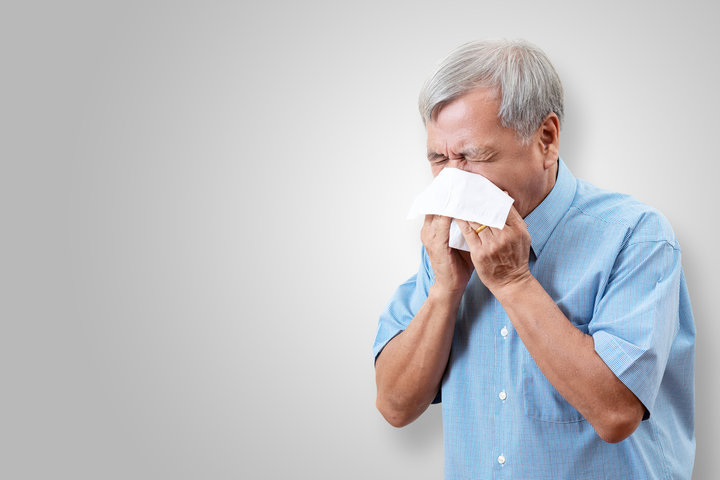
Influenza, or the flu, is a respiratory tract infection caused by the influenza virus. It can affect anyone and generally causes symptoms ranging from mild to severe.
The influenza viruses that most frequently cause illness in humans are types A and B. Although some people recover on their own, influenza requires attention because it can lead to complications, particularly in vulnerable groups.
What Is Influenza?
Influenza is a respiratory tract infection caused by the influenza virus. It spreads easily from person to person, primarily through respiratory droplets released when an infected individual coughs, sneezes, or speaks.
Influenza differs from the common cold. Influenza symptoms generally appear more suddenly and can cause extreme physical weakness or fatigue.
Recognizing Influenza Symptoms
Influenza symptoms can vary from person to person. Some common symptoms include:
- Fever
- Cough, especially a dry cough
- Runny or stuffy nose
- Headache
- Muscle or joint pain
- Weakness or fatigue
- Sore throat
In certain situations, influenza can also progress to a more severe form. Shortness of breath, chest pain, altered consciousness, seizures, dehydration, or the worsening of underlying medical conditions are signs requiring immediate medical attention.
Who Is at Higher Risk of Severe Influenza?
Influenza can affect anyone, but the risk of experiencing severe symptoms and complications is higher among certain groups, such as:
- Infants and children
- The elderly
- Pregnant women
- People with chronic diseases
- People with compromised immune systems
Therefore, vulnerable groups need to pay closer attention to symptoms and take preventive measures.
How Is Influenza Transmitted?
The influenza virus can spread through interactions with infected individuals as well as through contaminated objects or surfaces.
Some modes of transmission include:
- Droplets
The virus can spread through droplets when an infected person coughs, sneezes, or speaks. - Direct contact
Transmission can occur through direct contact with an infected person. - Indirect contact
The virus can be transmitted via contaminated objects or surfaces, subsequently entering the body when a person touches their eyes, nose, or mouth.
How Can Influenza Be Prevented?
Prevention can be achieved by adopting a few simple daily habits.
- Wash your hands frequently
Wash your hands with soap and running water, especially after outdoor activities, before eating, and after coughing or sneezing. - Practice proper cough and sneeze etiquette
Cover your mouth and nose with a tissue or the crook of your elbow when coughing or sneezing. Avoid using your palms to cover them. - Wear a mask if you have symptoms
If you have a cough, runny nose, or flu-like symptoms, wear a mask to help reduce the risk of transmitting the virus to others. - Maintain fitness and a healthy lifestyle
Getting enough rest, eating nutritious food, staying hydrated, and remaining physically active—within your physical limits—can help support your immune system. - Consider the influenza vaccine
Influenza vaccination is a preventive measure that can help lower the risk of contracting the flu and developing complications. Consult a doctor about vaccination needs, especially for high-risk groups. - Maintain distance when sick
If you experience flu symptoms, minimize close contact with others and stay home until you recover. - Ensure good air circulation
Open windows or ensure the room is well-ventilated to allow for optimal air exchange. - Seek medical attention immediately if symptoms worsen
Do not ignore worsening symptoms, especially if you experience shortness of breath, chest pain, altered consciousness, seizures, dehydration, or the worsening of underlying medical conditions.
Do Not Underestimate Influenza
Influenza is often regarded as a mild illness, yet in certain groups, it can develop into a more serious condition. Recognizing symptoms, understanding how it spreads, and adopting preventive measures are crucial steps in protecting yourself and those around you.
If you or a family member experiences persistent or worsening influenza symptoms, consult a doctor immediately to receive an appropriate examination and treatment.
Contact us
For information and make an appointment

| Loading data... |
|---|