


+62 859-3135-3197


Epilepsy: Know the Types and Risk Factors
20 April 2026
3 min read


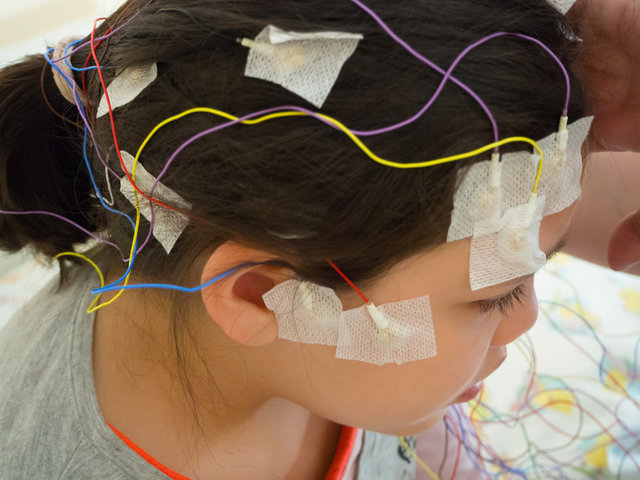
Epilepsy is a brain disorder that causes recurrent seizures. This disease is not contagious, but it requires serious treatment because it can cause long-term impacts. Find out more information about epilepsy here!
Types of Epileptic Seizures
Epilepsy causes seizures, but not all seizures are classified as epilepsy. If a seizure occurs only once due to a specific trigger, it is not considered epilepsy. However, when seizures occur repeatedly without a trigger or brain lesion, they are considered epilepsy.
Seizures in epilepsy are the result of excessive electrical discharges in brain cells. This causes the body parts and severity of seizures to vary from person to person. The same applies to the period and duration of seizures.
Based on the patient's condition, the 2017 ILAE Classification of the Epilepsies divides epileptic seizures into three categories:
- Generalized Onset Seizures
Seizures that affect a group of cells on both sides of the brain simultaneously. These seizures are accompanied by loss of consciousness and uncontrolled body movements. Focal Onset Seizures
The term "focal" is used to replace "partial" in the previous classification. Focal seizures can occur in one area of the brain or a group of cells on one side of the brain. However, these seizures can also spread and affect the other side of the brain.These seizures can be divided into several types, namely:
- Focal Onset Awareness Seizures: when the patient remains conscious during the seizure.
- Focal Onset Impaired Awareness Seizures: when the patient experiences impaired consciousness during the seizure.
- Seizures of Unknown Onset
Seizures are classified as unknown onset when the exact onset of the seizure is unknown. This is not only based on the part of the brain affected, but also when the seizure occurs at night when the patient is alone and no one else is aware of the seizure.
However, after the seizure specialist receives various information about the seizure, the seizure can change into another category, either a generalized-onset seizure or a focal-onset seizure.
Causes and Risk Factors for Epilepsy
Several factors can cause or increase a person's risk of developing epilepsy, including:
- Infection. Several types of infections in the brain can cause epileptic seizures, including meningitis, cerebral malaria, and toxoplasmosis.
- Autoimmune. The immune system functions to protect the body from attacks by bacteria, viruses, and harmful substances. However, disorders of the immune system can also cause autoimmune epilepsy.
- Genetics. Someone with a family history of epilepsy has a higher risk of developing epilepsy as well.
- Body metabolism. The metabolic system processes nutrients in food to meet the body's needs. Metabolic disorders can cause problems with various body functions and can lead to seizures.
- Brain structure. Problems with the brain's structure can cause epileptic seizures. This can be seen through MRI scans.
- Medical history. Several diseases involving the brain's nerves can also cause epilepsy, one of which is stroke, known as post-stroke epilepsy.
Epilepsy Symptoms
The seizures experienced by epilepsy patients vary depending on the type. However, common symptoms during a seizure include:
- Muscle stiffness
- Stiffness or weakness
- Inability to control body movements
- Loss of urinary control (involuntary urination)
- Suddenly falling to the floor
Before experiencing a seizure, patients with focal onset seizures sometimes experience several initial symptoms called auras. Some auras that may be experienced include:
- Feelings of fear
- Feelings of déjà vu
- Perceiving certain smells or aromas
- Confusion and acting unconsciously
- Loss of balance
- Having hallucinations
- Stomach discomfort
Epilepsy Treatment and Care
Unfortunately, there is currently no treatment that can completely cure epilepsy. However, appropriate treatment and care can reduce seizures and alleviate symptoms, improving quality of life.
Some common medical procedures for people with epilepsy include:
- Use of anticonvulsant medications
- Lifestyle changes, such as diet
- Surgical procedures
- Use of medical devices to alter brain function
Epilepsy is a condition that requires prompt and appropriate treatment, as it can cause various brain impacts, especially if seizures occur repeatedly. If you or a family member exhibits symptoms of epilepsy, consult a neurologist at Premier Hospital Surabaya immediately. For those experiencing post-stroke epilepsy, visit our excellent Stroke Unit. Appropriate treatment can help control seizures and prevent long-term complications from epilepsy.
Contact us
For information and make an appointment

| Loading data... |
|---|